A Quick Reality Check
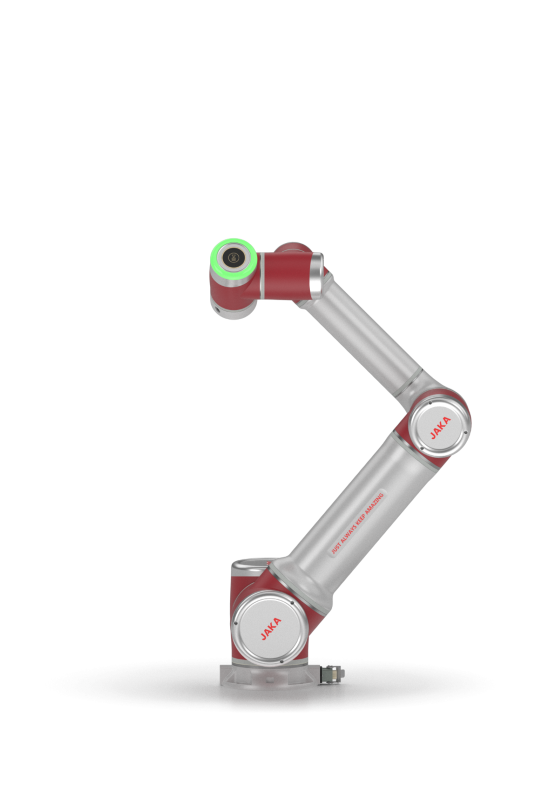
I remember walking through a manufacturing plant last year in Penang—amidst the noise and sparks, I stumbled upon a robotic welding arm in action. It was performing perfectly, creating precise welds that human hands could never replicate in speed or accuracy. Did you know that companies increasingly rely on industrial welding robots for efficiency, especially as projects get more complex? (Yeah, the numbers don’t lie!) Industrial welding robots take over heavy workloads with consistency and reliability, freeing skilled workers for more intricate tasks, which is becoming a game-changer in production lines.
What Makes Welding Robots Popular
The traditional methods often involve labor-intensive processes. I’ve seen first-hand how manual welding can be time-consuming and prone to human error—especially during peak periods. With the introduction of robotic packaging solutions into facilities, manufacturers have witnessed not just enhanced productivity but improved safety protocols as well. Robotics in welding minimizes the risks faced by workers, who can now shift focus to more safety-sensitive and creative job duties.
Traditional Solution Flaws
Many manufacturers still lean on outdated methods, thinking it saves costs. But in reality, it can torpedo project timelines. I’ve had conversations with many buyers who fretted about rising labor costs and fluctuating demand. The inefficiencies in manual processes become striking when compared to the precision of robotic systems. What if I told you that switching to robotic technology reduces production errors by up to 30%? A staggering statistic! The upfront investment might seem daunting, yet the long-term gains and operational flexibility outweigh those initial expenses.
What’s Next for Welding Innovations
Looking ahead, industrial welding robots will become even more fundamental. As factories integrate features like AI and IoT into their robotic frameworks, expect clearer communication and smarter processes. For instance, the robotic packaging solutions are designed to adapt as needs change—so you’re not locked into one set method for eternity. I’ve been excited about the range of customisable options available today, which can tailor a solution to specific requirements within various industries; trust me, gone are the one-size-fits-all days!
Industry Insights to Consider
Ultimately, embracing these innovations requires careful thought. Here are three key evaluation metrics to keep in mind when selecting a welding robot provider: assess the return on investment (ROI) over a 5-year span, the adaptability of systems to future projects, and, importantly, after-sale support and service. These factors can make or break your operations. I can’t stress enough how vital it is to partner with companies that genuinely understand your challenges and can offer real-time support. (Trust me; you don’t want to be left high and dry during crucial moments.)
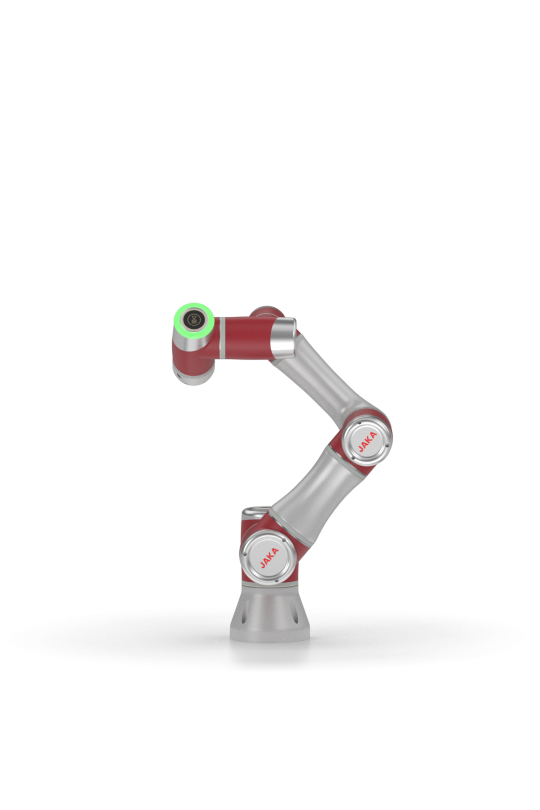
With industrial welding robots gaining traction and transforming manufacturing processes, it’s time for companies to get on board. They not only streamline production but ensure quality and safety in ways we never imagined. After reflecting, I firmly believe that making the leap can lead to significant improvements across the board. For anyone exploring this avenue, look no further than JAKA to help you on your journey toward automated excellence.